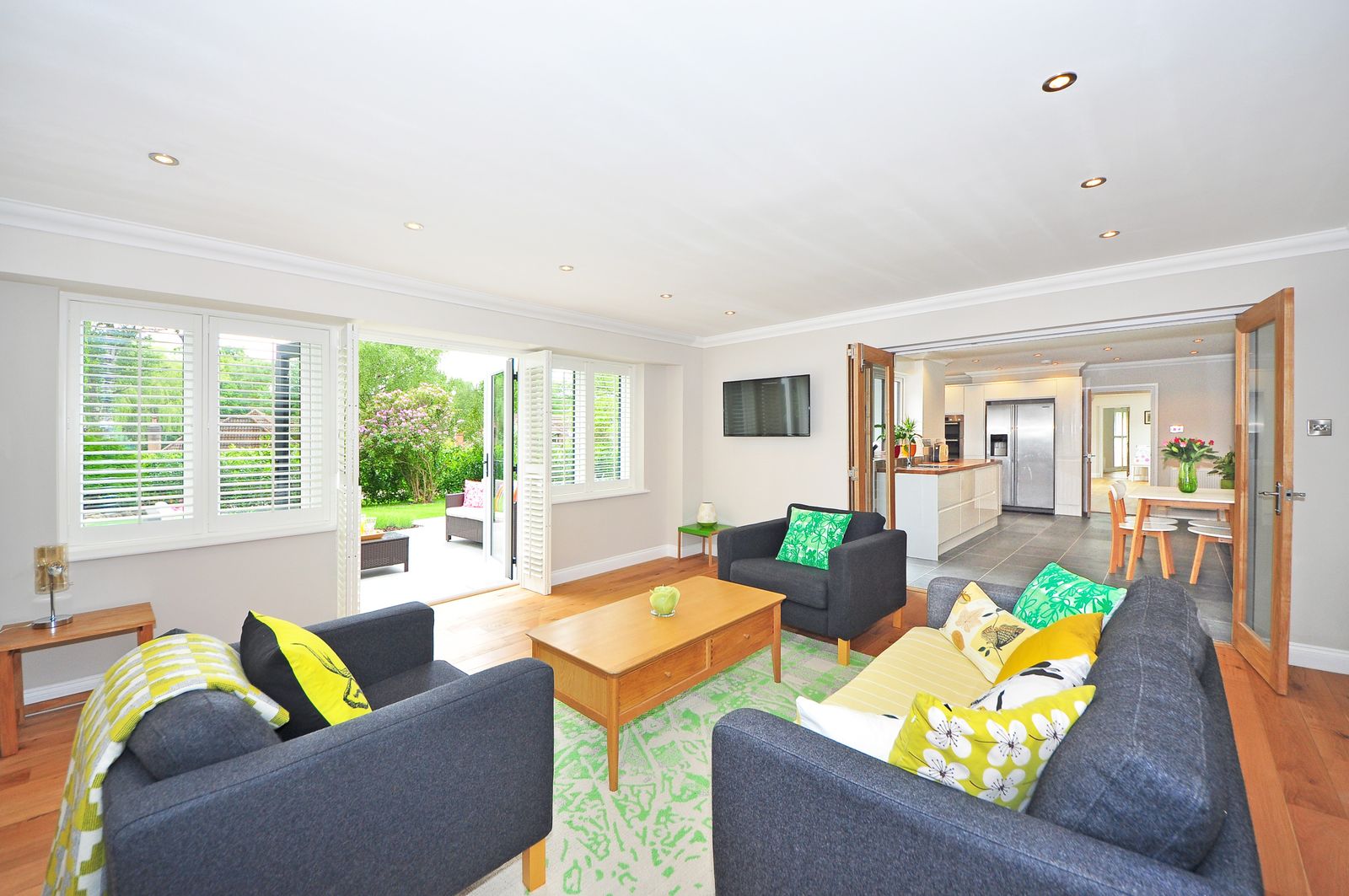
Getting Your Living Room Ready for an At-Home Family Session
Published
Clear the surfaces, choose the room with the best window light, and make a safe, open area where everyone can sit or stand together. The day before, simplify the room and decide what furniture needs to move; in the hour before the session, switch off extra lights, check the frame from the camera or phone, and put everyday clutter out of view. No special props or new furniture are needed.
The day before: make a short room plan
Start by asking which room has the largest useful window and enough floor space for the family to gather. The brightest room is not automatically the one with the most windows: a single window with clear light and a simple background can be easier to work with than several windows facing different directions. Check the room at the time the session is planned, since the direction and strength of daylight change during the day.
Take a test picture from the spot where the camera or phone is likely to stand. Look for bright patches on the wall, a television reflecting the window, and objects that appear behind people’s heads. A quick phone photo is enough to reveal distractions that are easy to miss while standing in the room. Make a brief list of what to clear and what to shift rather than trying to tidy the whole home.
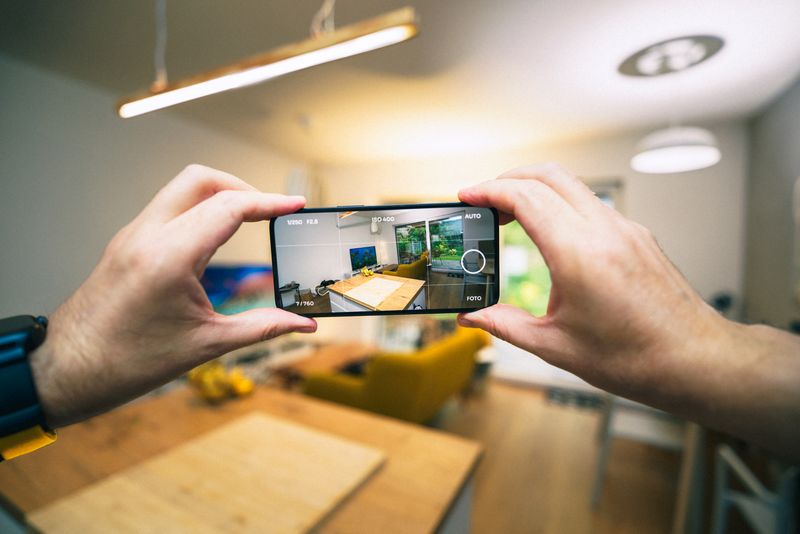
- Choose a room where the group can gather without blocking the main walkway.
- Set aside a clear area about 2 m by 2.5 m (6.5 ft by 8 ft) if the room allows; leave a route for children and adults to move safely.
- Charge the phone or camera, clear storage space, and locate a tripod if one is already available.
- Tell family members which room to use and where coats, bags, and shoes can be left out of frame.
Choose the window and make room around it
A large window is a useful source of soft daylight, especially when the family is positioned near it rather than directly beneath a ceiling light. Place people roughly 1–2 m (3–6 ft) from the window as a starting point, then check a test frame. Closer to the glass, the light often falls off more quickly across the group; farther away, it may feel less directional. Adjust by looking at faces on the screen, not by following a fixed distance.
Move a sofa or armchair away from the window if it blocks light or leaves no space for people to gather. Shift it only as far as needed—often 60–90 cm (24–36 in) is enough to create a clear path or a new shooting angle. Keep chairs on a stable surface, and do not place anyone where a curtain cord, radiator, sharp table corner, or open window creates a hazard. If moving a heavy piece is difficult, leave it in place and use the open side of the room instead.
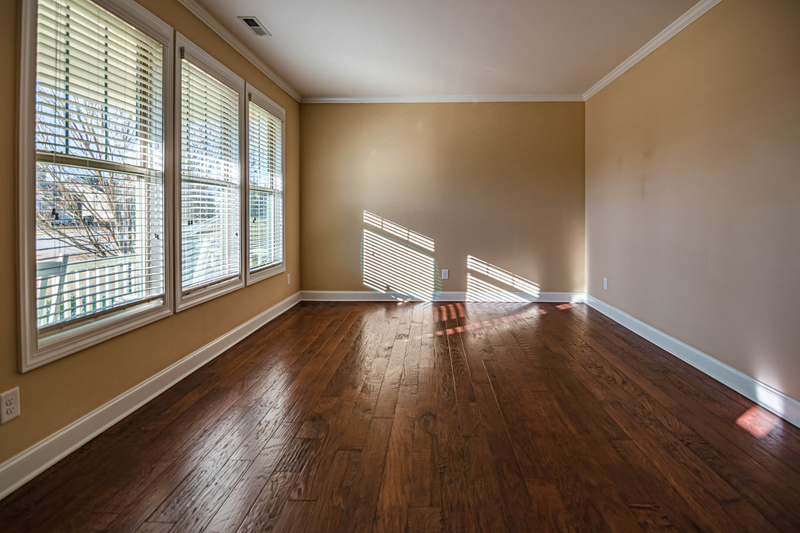
Decide whether the family will face the window, sit at an angle to it, or stand with the window to one side. Facing the window can produce even light, while a slight turn can add gentle shadow and shape. Avoid putting a bright window directly behind people unless you want silhouettes; on a phone, faces may become dark when the bright background takes up much of the frame.
Clear the frame, not the whole house
Use the test picture to see what the camera actually includes. A room can feel tidy in person yet look busy when cushions, toys, mail, and cords line up behind the family. Clear the coffee table and the surfaces visible in the frame first. Then look at the edges of the picture: a half-visible laundry basket or a lamp cut off at the shade can draw the eye more than an item in the center.
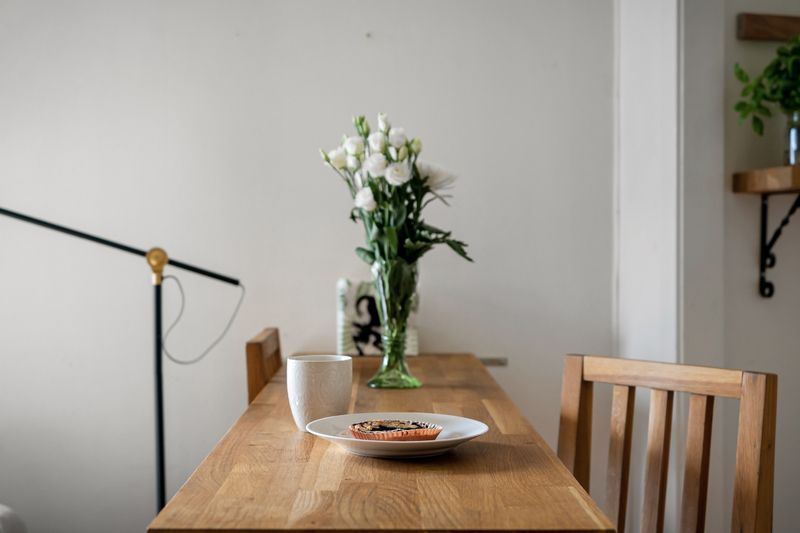
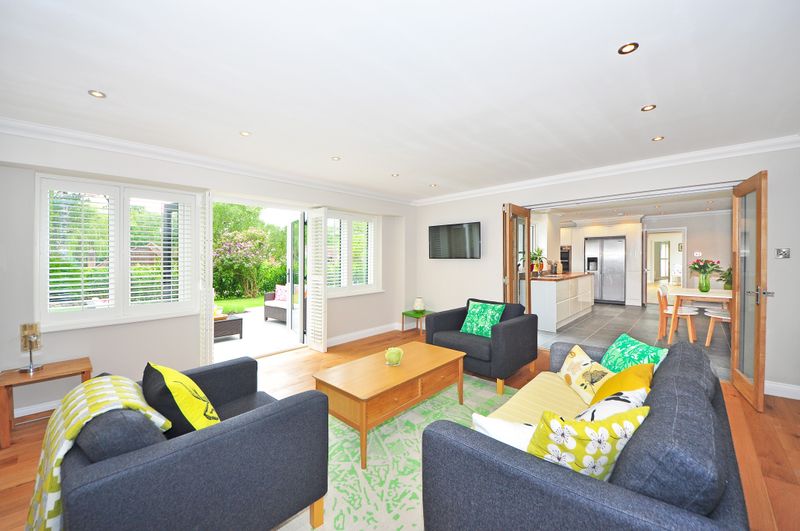
Keep useful furniture that gives the group somewhere comfortable to sit. Remove only pieces that block the window, crowd the walking area, or compete with the people. If the background contains shelves, take away loose items that vary in size and color, but leave a few larger books or objects spaced apart. The aim is a readable background, not an empty, unfamiliar room.
- Clear the coffee table, side tables, and the nearest visible shelf of mail, cups, chargers, and small toys.
- Tuck away charging cables and move bags, laundry, pet bowls, and bins beyond the camera’s view.
- Straighten cushions and throws; remove one or two strongly contrasting items if they pull attention from faces.
- Check mirrors, glass frames, and a switched-off television for window reflections or accidental reflections of the camera holder.
Simplify colors and control indoor lights
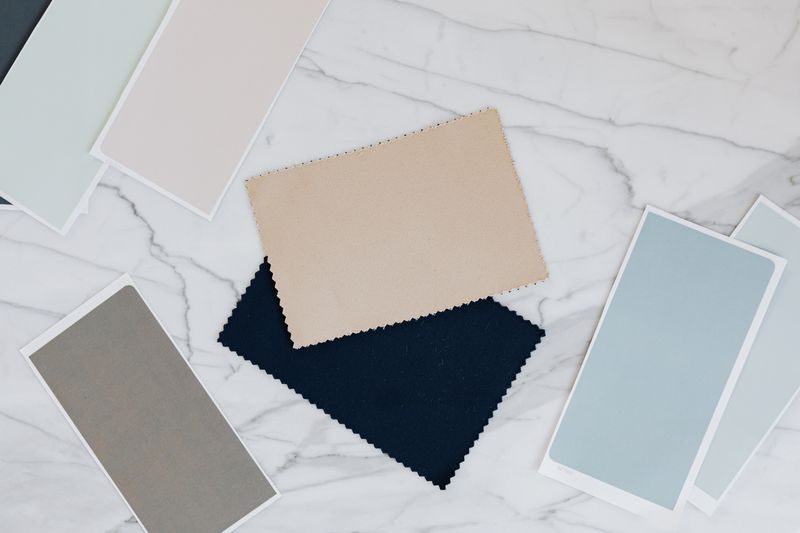
Choose clothing and room details that sit comfortably together, rather than trying to make every person match. A few quiet colors—such as denim blue, cream, olive, or soft rust—usually sit well against common wood and neutral walls. If the room already has a patterned rug or floral sofa, keep the visible clothing patterns simple. Large, low-contrast patterns are generally less distracting than several small, high-contrast prints competing in one frame.
Do not buy matching outfits or decorative props for the room. Use what family members already own, and lay clothing out the day before so strong logos, reflective fabrics, or clashing prints can be noticed early. A white shirt against a white wall may blend into the background; adding a darker layer or choosing a different top can create a clear outline. Check the clothing in the selected room, because colors can look different under window light and indoor bulbs.
Before taking the final test frame, switch off ceiling lights, lamps, and decorative bulbs if daylight is the main light source. Different light sources can give faces different color casts in the same photograph, and automatic white balance may not make every area look consistent. If the window light is too dim, try another time or another room first. If a lamp must stay on for safety, keep it outside the frame and check whether its color visibly changes nearby skin or walls.
The hour before: reset and check the camera view
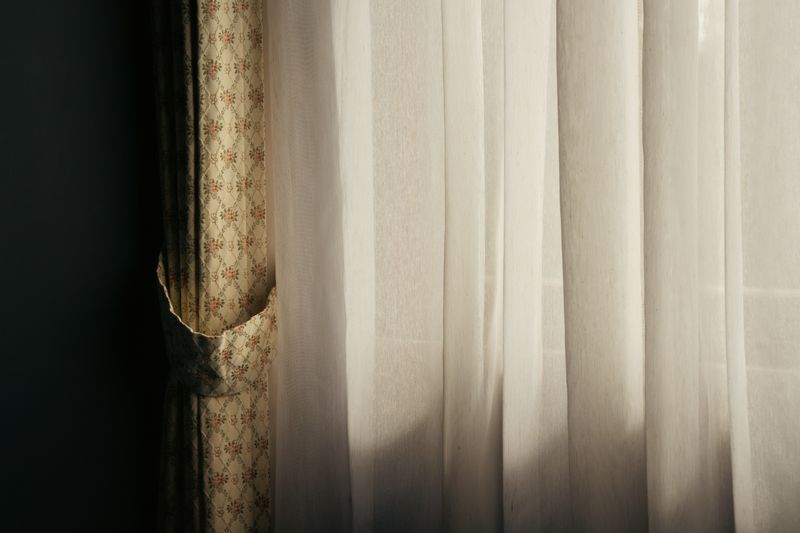
Use the final hour to make the room ready, not to rearrange everything. Open curtains or blinds enough to admit light, then inspect faces in a quick test frame. A sheer curtain can soften direct sunlight; a blackout blind can remove it, but may leave the room too dim. Change the window covering only if the light in the test image improves. Avoid direct sun falling sharply across the group unless that strong contrast is intentional.
- Put away the last visible cups, bags, toys, and cables; leave the family’s everyday essentials within easy reach outside the frame.
- Check the floor for small objects and make sure furniture is stable, pathways are clear, and pets have a comfortable place away from the shooting area if needed.
- Switch off mixed artificial lights, silence distracting notifications, and set the phone or camera to the intended photo mode.
- Take one test picture with people or a cushion in the planned position; check that faces are not too dark, the background is not distracting, and everyone fits comfortably.
- Keep water, tissues, and any needed child-care items nearby but out of the camera’s view.
A ready room should still feel like the family’s living room. Leave enough space for people to change places, settle a child, and take a break without moving furniture again. If the first camera view feels crowded, remove one more small surface item or step back slightly; do not keep adding objects to fill empty areas.
Questions
- Should the family sit on the sofa or stand by the window?
- Use whichever position leaves a clear background and comfortable space for everyone. Try both in a test frame; the sofa is useful if it keeps children settled, while standing can work better in a narrow room.
- What if every room has a dark wall or busy background?
- Choose the room with the best available window light, then frame a smaller, simpler section of it. Clear the visible surface and adjust the camera position so less of the busy background appears.
- Can the session go ahead on a cloudy day?
- Yes. Cloud cover can make window light softer and more even. Open the curtains, switch off unnecessary lamps, and check a test photo to see whether the room is bright enough.
- Should I move family photos and artwork off the walls?
- Only if they draw attention from the people or appear awkwardly cropped in the camera view. A few calm, familiar pieces can remain; remove a distracting item rather than stripping the room bare.
 Frame 1